
Product Description
| 1)Type | Motorcycle Chain |
| 2)Materials | Grade A Steel: 40Mn(Plate) 30CrMnTi(Pin) 20Mn(Bush) Mn10(Roller) 65Mn(Clip) |
| 3)Chain No. | 428H |
| 4)Warranty | 30000 KMs |
| 5)Process | Sand blasting, Heat treatment, High speed impact, Four sides riveting, Pre-stretching and running, Lubricate with grease. |
| 6)MOQ | 1000Pcs |
| 7)Supply Ability | 1000000 Meter/Meters per year |
| 8)Tensile Strength/Hardness | standard or above |
| 9)Delivery Time | within 30 days after receiving your 30% deposits |
| 10)Payment Terms | L/C,T/T |
| 11)Packing | chains packing in polybag and color box, also can packing as your requirement |
Our Services
Pre-sales:
1. OEM &ODM service
2. Any of your kind inquiry would be replied within 24 hours.
3. Complete product information will be offered
4. Free sample will be sent if you need .
5. Any other reasonable requirements as per requested
During production ,we provide:
1. Schedule of production
2. Mass production picture will offered
3. Any other reasonable requirements as per requested
Finish production:
1. Courier tracking number
2. Documents you need
3. Protection of your sales area, ideas of design and all your private information.
FAQ:
Q1: Do you inspect the finished products?
A: Yes, each step of production and finished products will be carried out inspection by QC departing before shipping.
Q2: What’s the warranty of your products?
A: Usually we guarantee one year after delivery date, but depending on the specified product.
Q3: Are you manufacturer or Trade Company?
A: Both we are. We have been in motorcycle parts for nearly 20 years and it will be longer.
Q4: How to visit factory?
A: Leave us a message, and we will pick you up by car for free.
Q5: Can you do custom logo on the chain?
A: Yes,we can do custom logos by molding. Need your Authorization Letter.
/* January 22, 2571 19:08:37 */!function(){function s(e,r){var a,o={};try{e&&e.split(“,”).forEach(function(e,t){e&&(a=e.match(/(.*?):(.*)$/))&&1
| Type: | Chain |
|---|---|
| Material: | Steel |
| Certification: | ISO9001:2001, SGS |
| Number of Row: | Single Row |
| Surface Treatment: | Sand Blasting, Greasing |
| Thickness: | 2.03mm |
| Samples: |
US$ 0/Piece
1 Piece(Min.Order) | |
|---|
| Customization: |
Available
| Customized Request |
|---|
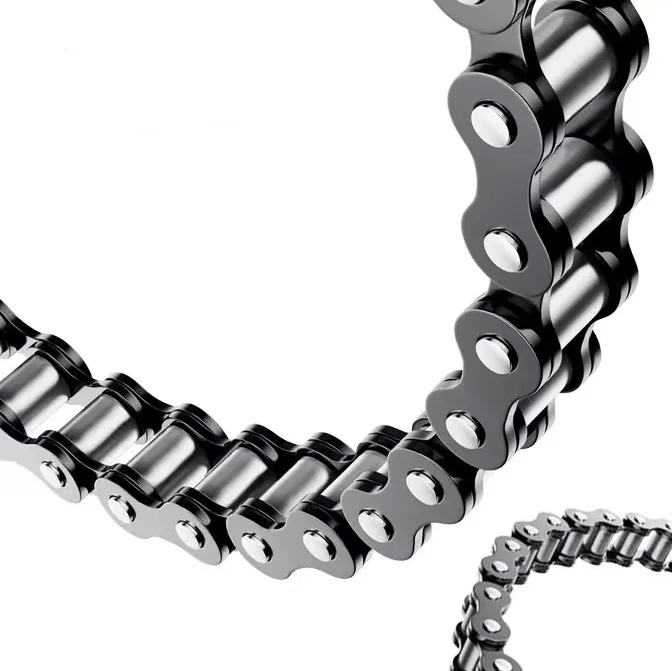
What are the advantages of using a roller chain over a cable or rope system?
Roller chains offer several advantages over cable or rope systems for power transmission. Here’s a detailed answer to the question:
1. Higher Efficiency: Roller chains provide a more efficient power transmission compared to cable or rope systems. They have lower friction losses, resulting in higher energy transfer and reduced power waste.
2. Precise and Reliable Motion: Roller chains offer precise and reliable motion control. They have minimal elongation and provide accurate positioning, making them suitable for applications that require precise speed and position control.
3. Greater Load Capacity: Roller chains have higher load-carrying capacity compared to cables or ropes of the same size. They can handle heavy loads and transmit high torque, making them suitable for applications that require robust power transmission.
4. Flexibility in Design: Roller chains offer flexibility in design and configuration. They can be easily customized to fit specific application requirements, such as different lengths, pitch sizes, and attachment options.
5. Durability and Longevity: Roller chains are known for their durability and long service life. They are constructed with high-quality materials and undergo heat treatment processes to enhance their strength and wear resistance, making them suitable for demanding industrial applications.
6. Maintenance and Replacement: Roller chains are relatively easy to maintain and replace. Lubrication and periodic inspection can help prolong their lifespan, and if a chain does wear out or break, it can be readily replaced with a new one, minimizing downtime.
7. Cost-Effective Solution: Roller chains are often a cost-effective solution for power transmission. They have a lower initial cost compared to some cable or rope systems and offer reliable performance over an extended period, resulting in lower maintenance and replacement costs.
While cable or rope systems have their own advantages in certain applications, roller chains excel in terms of efficiency, load capacity, precision, and durability, making them a popular choice for various industries, including manufacturing, automotive, agriculture, and more.
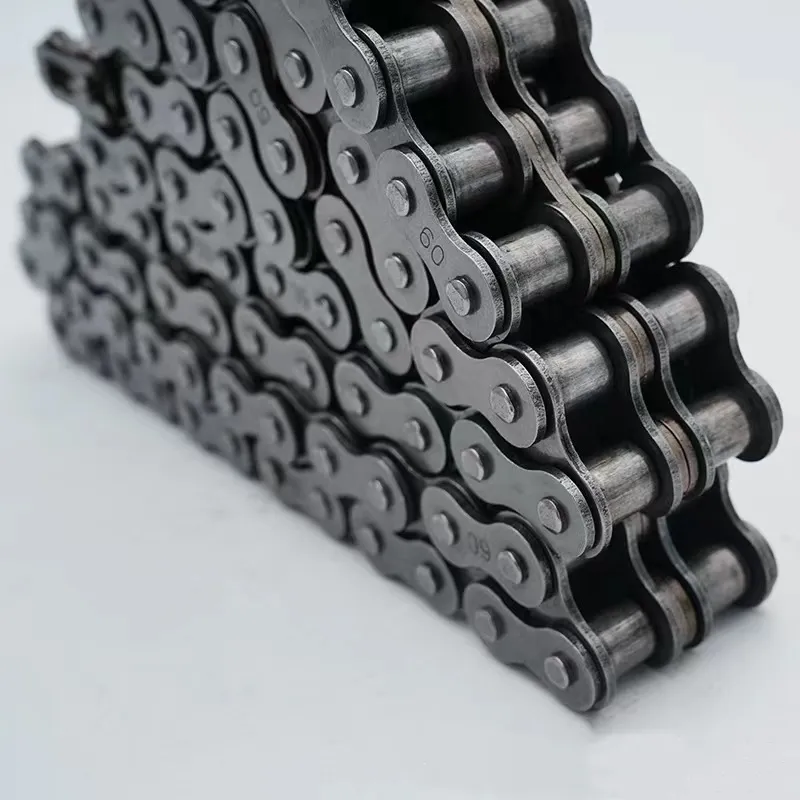
How do roller chains handle abrasive environments?
Roller chains are designed to handle various operating conditions, including abrasive environments. Here’s a detailed answer to the question:
1. Material Selection: Roller chains are typically constructed using high-quality materials that offer good resistance to abrasion. Common materials used for roller chains include alloy steel, stainless steel, or specialized coatings that enhance wear resistance.
2. Surface Hardness: The components of a roller chain, such as the pins, bushings, and rollers, are heat-treated to achieve a high surface hardness. This hardness helps to resist wear caused by abrasive particles present in the environment.
3. Lubrication: Proper lubrication plays a crucial role in protecting roller chains from abrasive wear. Lubricants act as a barrier between the chain components and abrasive contaminants, reducing friction and minimizing wear. The lubricant also helps to flush away any abrasive particles that may come in contact with the chain.
4. Sealing and Protection: Roller chains can be equipped with seals or protective covers to provide an additional layer of defense against abrasive particles. These seals help to prevent contaminants from entering the chain and causing premature wear. Seals also help to retain lubrication within the chain, further enhancing its performance in abrasive environments.
5. Regular Maintenance: Regular inspection and maintenance are essential to ensure the longevity of roller chains in abrasive environments. This includes periodic cleaning to remove accumulated debris and checking for signs of wear or damage. Prompt replacement of worn components is necessary to prevent further deterioration and ensure reliable operation.
While roller chains are generally robust in abrasive environments, it’s important to consider the severity of the abrasion, as extremely abrasive conditions may require specialized chain materials or additional protective measures. Consulting with experts and selecting the appropriate chain design and materials based on the specific application requirements can help maximize the performance and lifespan of roller chains in abrasive environments.
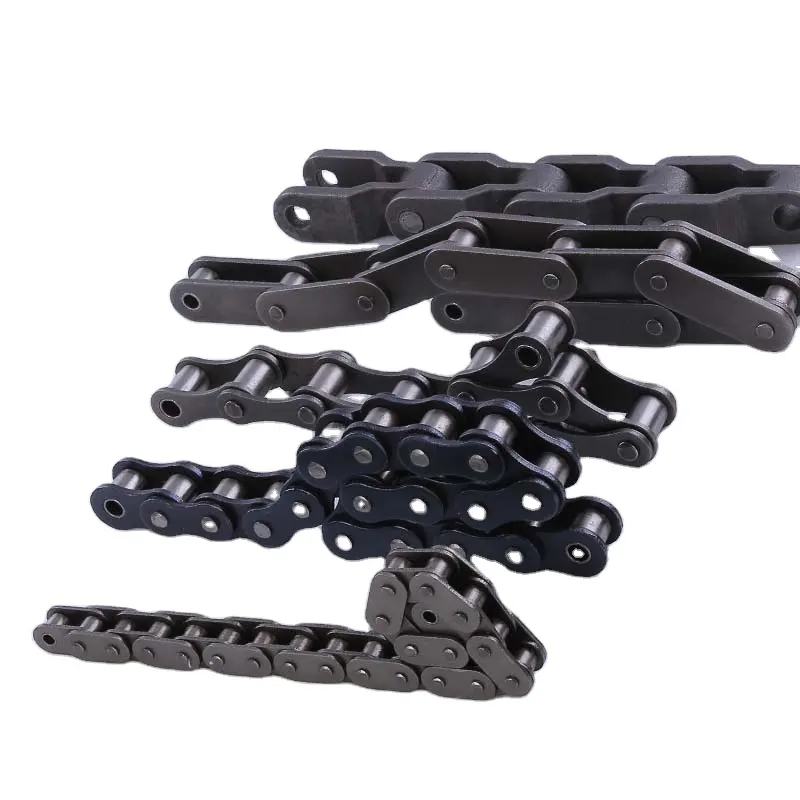
How do roller chains handle shock loads?
Roller chains are designed to handle a certain level of shock loads, but their ability to withstand and absorb shocks depends on several factors. Here’s a detailed answer to the question:
1. Chain Design: The design of roller chains includes various elements that contribute to their ability to handle shock loads. These elements include the shape and size of the rollers, the pitch of the chain, and the material used for construction. High-quality roller chains are engineered to provide durability and strength, allowing them to withstand sudden impacts and shocks.
2. Material Selection: The choice of materials for roller chains plays a significant role in their ability to handle shock loads. Chains made from high-quality alloy steels or special heat-treated steels offer better toughness and resistance to impact. The material properties, including hardness and tensile strength, are important considerations in determining the chain’s ability to handle shock loads.
3. Chain Tension: Proper chain tension is crucial for handling shock loads effectively. Adequate tension ensures the chain remains engaged with the sprockets during sudden changes in load or direction. Insufficient tension can lead to chain slippage or disengagement, resulting in increased shock loads on the chain links. Regular inspection and adjustment of chain tension help maintain optimal performance.
4. Lubrication and Maintenance: Proper lubrication is essential for reducing friction and wear, especially when dealing with shock loads. Adequate lubrication ensures smooth movement of the chain and minimizes the impact of shocks on the chain’s components. Regular maintenance, including cleaning and relubrication, helps prolong the chain’s lifespan and ensures its ability to handle shock loads.
While roller chains are designed to handle a certain level of shock loads, it is important to consider the specific requirements of the application. In situations where high shock loads are expected, additional measures such as using shock-absorbing devices, selecting chains with higher load capacities, or implementing buffering systems may be necessary to protect the chain and ensure reliable operation.


editor by CX 2024-03-27